Pelvic Organ Prolapse (POP) is a condition that affects many women – and yet it’s still surrounded by confusion, fear, and outdated myths. If you’ve recently been told you have a prolapse (or suspect you might), you may be feeling overwhelmed. Let’s clear things up and talk about what POP actually is, how common it is, and how pelvic physiotherapy can help.
Let’s Bust Some Myths About Prolapse
There’s a lot of fear-based messaging around POP, so let’s clear up a few common misconceptions:
🚫 Myth: “If you have a prolapse, you’ll need surgery.”
✅ Fact: Many people manage their prolapse very successfully with physiotherapy alone. Surgery is one option – but it’s rarely the only one, and it’s not always necessary.
🚫 Myth: “My bladder is falling out of my vagina.”
✅ Fact: With a rectal or bladder prolapse, the vaginal walls are still intact. Any bulge felt at the entrance of the vagina is not the rectum or bladder itself, but the front or back wall of the vagina that is being pushed down by the organ leaning into it.
🚫 Myth: “Prolapse only happens to older women.”
✅ Fact: Prolapse can happen at any age, including postpartum. It’s not a reflection of aging – it’s a reflection of how much your body has carried, and it deserves support.
🚫 Myth: “You can’t exercise with a prolapse.”
✅ Fact: You can exercise – you just need the right guidance. Movement is medicine, and exercise (including strength training!) can be incredibly beneficial when done properly.
🚫 Myth: “Once you have a prolapse, it only gets worse.”
✅ Fact: With early intervention and the right strategies, symptoms can improve significantly. Many people even experience a reduction in prolapse severity.
What Is Pelvic Organ Prolapse?
Pelvic organ prolapse occurs when one or more of the pelvic organs – such as the bladder, uterus, rectum, or vaginal walls sit lower than their usual position, pressing against the walls of the vagina, which can cause a feeling of vaginal bulging, dragging or heaviness. This can happen when the pelvic floor muscles and connective tissues become weakened or stretched, often due to:
- Vaginal births
- Hormonal changes (especially around menopause)
- Chronic coughing, constipation, or heavy lifting
- Genetic factors
- High-impact exercise or long-term strain
First: Let’s Talk Anatomy
To understand prolapse, it helps to first understand the pelvic floor and the structures it supports.
The pelvic floor is a group of muscles, ligaments, and connective tissues that form a supportive “hammock” or sling at the base of your pelvis. These muscles stretch from your pubic bone at the front to your tailbone at the back and side to side between the sit bones.
Pelvic organ support isn’t just about muscles — it’s a team effort between your pelvic floor muscles, ligaments, and connective tissue (called fascia). When prolapse occurs, it’s often because multiple layers of this support system have been stretched, weakened, or injured.

The Role of Ligaments and Fascia
- Ligaments in the pelvis are like wires — they help suspend and hold the pelvic organs (bladder, uterus, rectum) in place.
- Fascia is a layer of strong, flexible connective tissue that lines the walls of the vagina and separates the pelvic organs from each other. It acts as a shock absorber and scaffolding system, helping keep everything in its place.
Over time — or due to things like pregnancy, vaginal birth, chronic straining, hormonal changes, or even genetics — these connective tissues can become stretched, thinned, or torn.
When that happens:
- The fascia between the bladder and the front vaginal wall can weaken, leading to a cystocele (bladder prolapse).
- The supporting tissue behind the vagina can stretch, allowing the rectum to bulge inward and leading to a rectocele (rectal prolapse).
- If the ligaments supporting the uterus are overly lengthened, you may experience uterine prolapse.

Common Symptoms of Pelvic Organ Prolapse
Not everyone with POP will notice symptoms, but when they do occur, they may include:
- A feeling of heaviness or pressure in the pelvis
- A sensation of something “falling down” or a bulge in the vagina
- Difficulty emptying the bladder or bowels completely
- Discomfort during intercourse
- Lower back ache or vaginal discomfort after standing for long periods
These symptoms can range from mild to more bothersome – but importantly, they don’t always progress, and they can be managed effectively, especially when caught early.
How do I know if I have a prolapse?
POP is usually described in grades (1 to 4) depending on the severity, but the grade doesn’t always correlate with how noticeable or bothersome the symptoms are.
During an assessment, your physio or health practitioner will assess how much downward movement you have of either the uterus, front wall or back wall of the vagina. This will give an indication of the severity based on the anatomy of your pelvic organs.
However, a certain degree of movement is completely normal after birth and even in women that have never had children. Therefore, a diagnosis of prolapse is not made purely on the clinical assessment of movement alone.
A diagnosis of a prolapse requires both the presence of a greater amount of movement on assessment as well as the presence of bothersome symptoms.
Treatment is then aimed at improving your symptoms, which can often improve without change in the physical assessment of downward movement.
How Can Pelvic Physiotherapy Help?
Pelvic floor physiotherapy is often the first-line treatment for prolapse – and for good reason. It’s safe, evidence-based, and empowers you to strengthen and reconnect with your body. While physiotherapy can’t “tighten” fascia, we can help minimise symptoms with techniques to help improve upward support and minimise any additional downward pressure or risks. Here’s how we can help:
- Education and Support
Understanding how your body works is powerful. We’ll explain what’s happening, answer your questions, and work with you to develop a plan that supports your goals – whether that’s returning to running, lifting your kids, or simply feeling confident in your body again.
- Lifestyle Guidance
Factors like constipation, lifting techniques, exercise modifications, and bladder/bowel habits are crucial to help minimise excessive downward load.
- Pelvic Floor Muscle Training
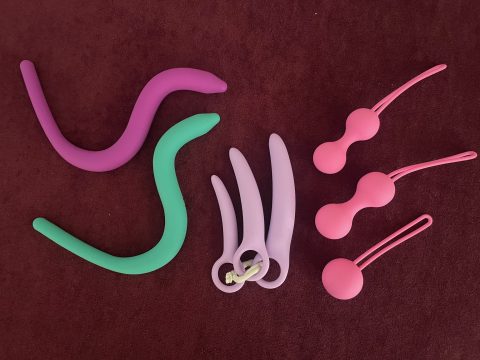
Your pelvic physio will assess your pelvic floor function and tailor an exercise program specifically for you. This often includes targeted contractions to strengthen and coordinate your pelvic floor.
By improving pelvic floor muscle function, we can:
- Help provide more upward support for the pelvic organs
- Reduce the downward pressure on pelvic structures
- Improve symptom management
While the pelvic floor muscles provide some degree of support from the bottom up, the principal contributing factor to symptomatic prolapse is the lack of support from pelvic organ ligaments and connective tissue. As such, while PFMT can be effective for some people, it has a limited place in treatment and may not be as effective as a standalone treatment for those with more significant prolapse or greater symptoms.
- Support Pessaries
Conservative management can also include use of pessaries. These small, silicone support devices are inserted into the vagina to support the pelvic organs—helping reduce the sensation of heaviness, pressure, or bulging that many people with prolapse experience. When used alongside pelvic floor physiotherapy, pessaries can allow individuals to comfortably perform strengthening exercises, reduce strain during daily activities, and support better bladder and bowel function.
So even though prolapse involves structural tissues, that doesn’t mean surgery is the only answer. The body is adaptable — and the right kind of physiotherapy can often help optimise what support remains, relieve symptoms, and prevent progression. You can find out more about pessaries here.
The Bottom Line
Pelvic organ prolapse is common, treatable, and nothing to be ashamed of. It’s not the end of your active life – and it’s not something you have to just “live with.” Pelvic physiotherapy offers tools, education, and support to help you feel strong, confident, and capable again.
Whether you’re newly diagnosed, postpartum, or simply curious about your pelvic health, reaching out to a qualified pelvic floor physiotherapist can be a powerful first step.