Menopause marks the end of a woman’s reproductive years and is defined as the final menstrual period. The years leading up to this transition are known as perimenopause. During this time hormone levels fluctuate, particularly estrogen, which can lead to an onset of new symptoms that can significantly affect a woman’s health and quality of life.
Menopause can affect everyone differently, but some of the most common symptoms include:
- Vasomotor – hot flushes and night sweats
- Urogenital – vaginal dryness, burning or irritation, decreased lubrication with sexual activity, pain or discomfort with intercourse, increased risk of urinary tract infections, urinary incontinence, symptoms of pelvic organ prolapse such as vaginal heaviness or dragging
- Psychological and cognitive – mood swings, anxiety or irritability, difficulty concentrating or remembering things, feeling easily distracted
- Skin changes – itching or crawling sensations on the skin
- Disturbed sleep – difficulty falling or staying asleep, early morning waking
- Sexual function – reduced libido, reduced lubrication or pain with intercourse
- Musculoskeletal – new joint aches and pain, reduced strength or muscle mass
effects of decreased oestrogen
When estrogen levels decline during and after menopause, the effects can extend beyond the reproductive system. Bone density may be affected, increasing the risk of osteoporosis and fractures. Muscle health can decline through the loss of muscle mass, leading to reduced strength and mobility. The cardiovascular system is also affected, with a heightened risk of heart disease and other vascular conditions. Many women notice metabolic changes, including central weight gain and insulin resistance, alongside cognitive shifts such as memory decline or an increased risk of dementia. In addition, the loss of collagen and tissue elasticity impacts skin and pelvic health, contributing to urogenital symptoms collectively known as Genitourinary Syndrome of Menopause (GSM).
Genitourinary syndrome of menopause (GSM)
Genitourinary syndrome of menopause (GSM) is a new term that describes the changes to the vaginal and urinary tissues caused by low estrogen levels. These symptoms are common, but often go underdiagnosed and untreated. The important thing to know is that they do not usually improve on their own – but they can be treated.
GSM symptoms can include
- Vaginal dryness and or redness
- Burning or irritation of the vulva
- Urinary incontinence
- Urinary frequency or urgency
- Pelvic organ prolapse – new symptoms of heaviness and dragging, or exacerbation of previous symptoms
- Sexual dysfunction: reduced libido, reduced lubrication and / or pain with intercourse
gsm Treatment Options
The good news is there are many effective treatments available for GSM, including vaginal moisturisers and lubricants, hormone therapy, and pelvic health physiotherapy.

Vaginal Moisturisers and Lubricants
Vaginal moisturisers can provide great symptom relief. They work to help rehydrate dry tissue to relieve discomfort and friction, while matching the typical vaginal ph environment. Vaginal moisturisers are applied daily like a regular moisturiser, as opposed to lubricants that are only applied with intercourse. Vaginal lubricants are also key in helping alleviate vaginal dryness whilst increasing sensitivity and pleasure during sexual activity. Vaginal moisturisers and lubricants can work in conjunction with local vaginal oestrogen, helping improve comfort, hydration and overall vaginal health.
Hormone Therapy
Hormone replacement therapy (HRT) is used for treatment of menopause symptoms and is the most effective way of improving these symptoms. HRT is one of the most effective ways to treat many menopause symptoms. It can be used systemically (through tablets, patches, or gels) or locally (as a vaginal cream or pessary). The type you are prescribed depends on your age, if you have had a hysterectomy and if you have any other health conditions. Your GP is the best person to speak to as they can tailor HRT to suit you.
Even if you are taking a systemic HRT, it may not help with the symptoms of GSM and it might be necessary for you to use a vaginal estrogen cream in addition to help treat GSM. Vaginal estrogen is a localised hormone that given the vaginal tissues a boost of estrogen to help restore the tissue health. The increase of estrogen helps reduce vaginal dryness and or redness, itching, burning and painful intercourse.
Pelvic Health Physiotherapy
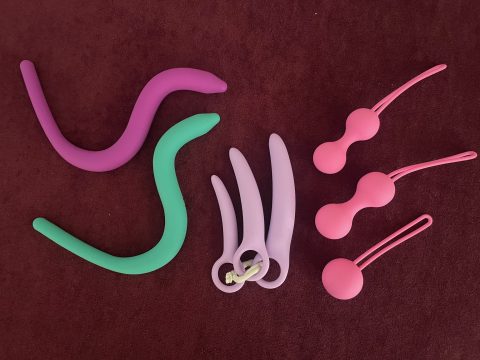
Pelvic physiotherapy can help with treatment and management of the symptoms associated with GSM. Your pelvic physiotherapist will take a detailed subjective history to learn more about your symptoms. A physical assessment will help your physio understand more about pelvic floor function and the quality of the tissues. From there, treatment will likely include pelvic floor muscle training to improve muscle quality and function as well as lifestyle changes to manage symptoms. Lifestyle changes can include toileting posture, using lubricant for sexual intercourse and other recommendations for diet and exercise.
Menopause is a natural stage of life, but it doesn’t have to mean putting up with uncomfortable symptoms. There are safe, effective ways to manage this transition and improve your quality of life.
If you think you may be experiencing menopause or GSM, know that you’re not alone – and support is available.
Written by Hannah Topp