Are you going to the toilet too frequently? Is it taking you too long to open your bowels? Are you drinking enough water? It’s easy to be unsure whether your habits are healthy or something to be concerned about.
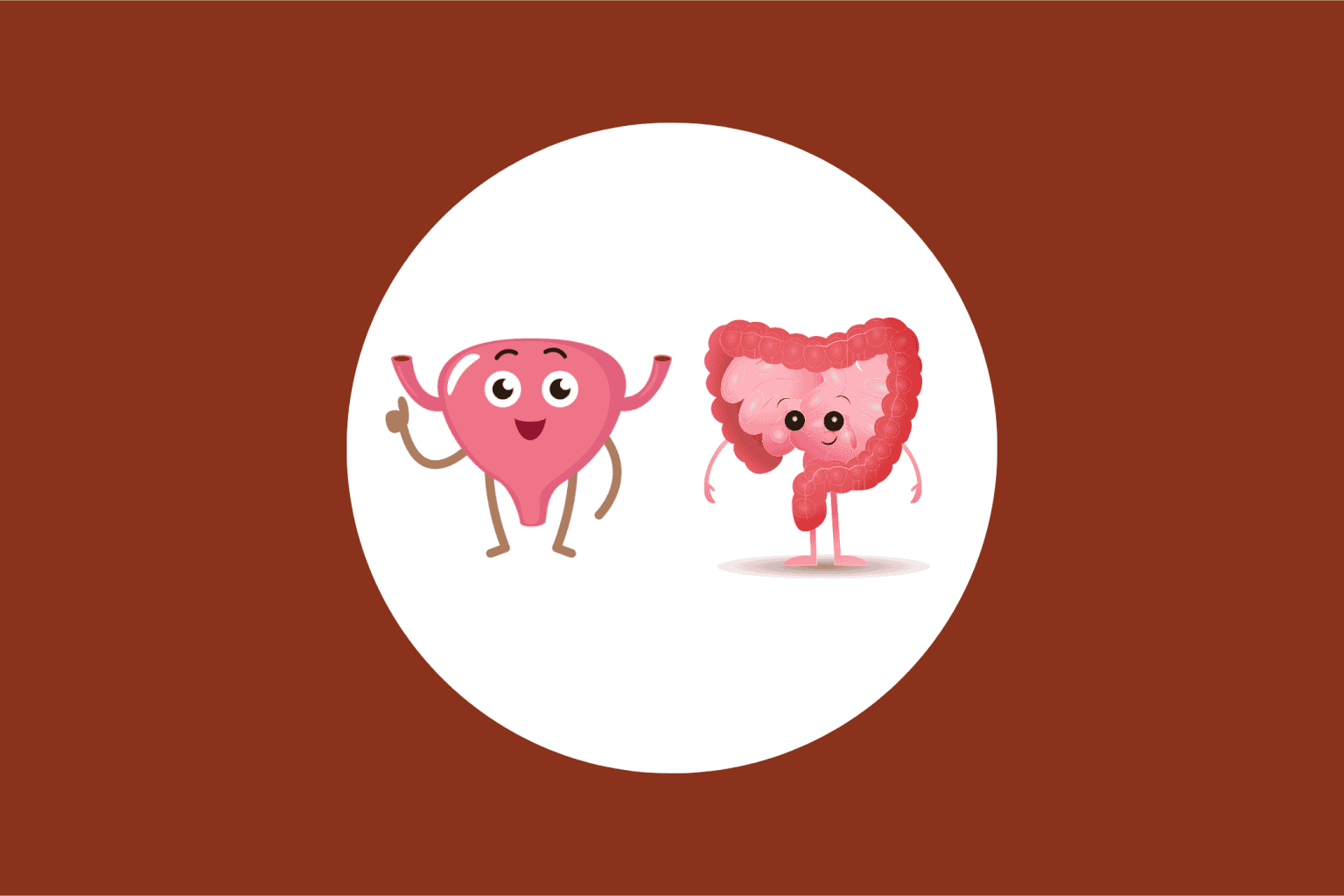
In this blog, we’ll break down the basics of healthy bladder and bowel function — because understanding what’s normal is the first step toward identifying when something might not be.
What’s Normal for the Bladder?
Your bladder is a muscular organ that stores urine and should function smoothly without causing you discomfort or disruption to your day. Here’s what’s considered normal bladder function:
Urge and Control
- You should be able to delay urination once the urge begins
- No rushing, leaking, or sudden strong urges should occur
- You should feel in control, even if you’ve had a lot to drink
Fluid Intake Matters
- Aim for about 1.5 – 2 litres of water a day (this may vary depending on how active you are or the weather).
- Overhydration can lead to frequent urination, while dehydration can irritate the bladder.
- What type of fluid you drink can also affect the bladder (often carbonated, caffeinated, or drinks with artificial sweeteners can irritate)
What’s Not Normal
- Leaking (incontinence) when laughing, sneezing, or exercising
- Rushing to the toilet or not making it in time (with or without leaking)
- Pain or burning with urination
- Constant feeling of needing to go, even after just going
- Difficulty emptying such as the inability to fully empty, or having to push and strain to empty
What’s Normal for Bowels?
Healthy bowel function is just as important, and often less talked about. A well-functioning bowel helps eliminate waste comfortably and consistently.
How Often Should You Go?
- Anywhere from 3 times a day to 3 times a week is considered normal
- More important than frequency is ease and consistency
Signs of Healthy Bowel Movements
- Passed without pain or straining
- Formed, soft, and easy to pass (think sausage-shaped, formed and smooth
- You feel completely empty afterward
Regularity Tips
- Fibre-rich foods, water, and movement help keep things moving
- Establish a consistent bathroom routine, especially after meals
- Respond promptly to the urge to go (don’t delay)
What’s Not Normal
- Straining, pain, or bleeding before or during bowel movements
- Difficulty emptying or feeling like you haven’t fully emptied
- Frequent constipation or diarrhoea
- Needing to use your hands to support bowel movement (e.g., pressing on the perineum or abdomen)
The Role of the Pelvic Floor
The pelvic floor muscles support both your bladder and bowel function. When these muscles are too tight, too weak, or not coordinating well, it can lead to a range of symptoms including:
- Incontinence
- Urgency
- Constipation
- Pelvic pain
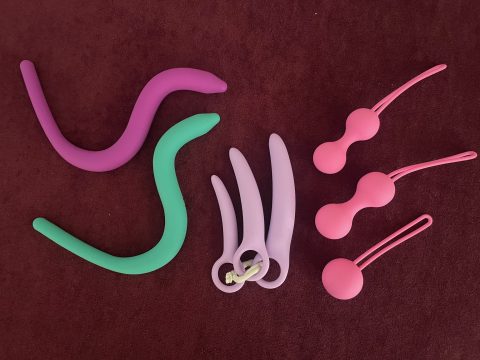
Pelvic physiotherapy helps by assessing and treating the pelvic floor, restoring normal function through education, lifestyle modifications and specific tailored exercises.
When to see a Pelvic Health Physiotherapist
If any of the “not normal” signs above sound familiar, know that you’re not alone, and help is available. Reach out to us for an appointment for a personalised assessment and treatment plan.
Written by Ashley Steinlauf